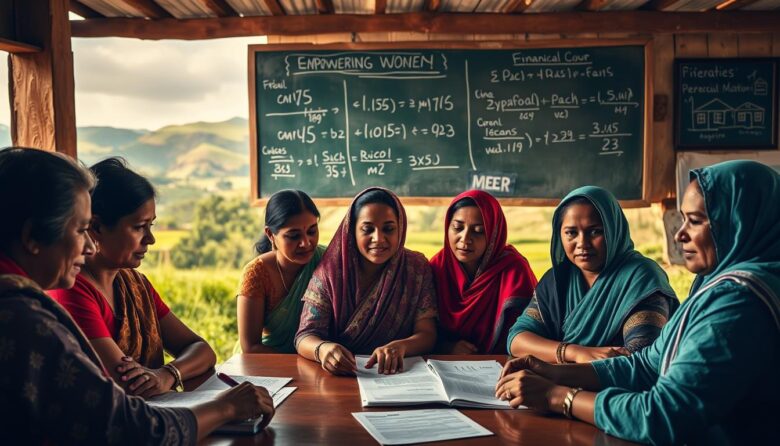
You face choices about money every day. This short guide shows how clear, practical training can help you make better decisions and plan for a steadier future.
Practical skills such as budgeting, saving, and basic banking turn access to services into real results for your household. Programs like self-help groups and mobile-first courses have raised incomes and digital know-how around the world.
You will see examples of proven approaches that boost income and resilience. These programs link simple tools with trusted training so you can act with confidence.
This section outlines what you can expect: clear steps to track cash, use basic products, borrow wisely, and protect your family. The goal is to equip you with useful skills that fit your daily life.
Key Takeaways
- You’ll learn practical money skills to improve household stability.
- Access to accounts and payments must pair with good training.
- Mobile and group programs can raise income and digital skills.
- Simple tools help you make smarter choices about small purchases.
- The guide focuses on actions you can use today and later.
Why your financial knowledge matters right now
Clear steps to manage cash and pick the right products reduce stress at home. You need brief, practical guidance that helps you budget, build savings, and make smart choices about services.
Acting on simple skills today gives fast results: better control of money, fewer costly mistakes, and more confident decisions about borrowing and saving.
Understanding today’s intent: practical ways to manage finances and access services
Account ownership is rising, yet a gap in knowledge persists. OECD and national studies show many people still lack clear know-how to use banking and payments well. That means access alone can leave you stuck.
How education strengthens your household, business goals, and long-term security
Learning basic skills supports household stability and higher income potential. With clearer skills you can choose suitable products, avoid fees, and use financial services to store income and pay suppliers reliably.
Community learning speeds progress: peer groups, short courses, and simple tools help you turn small actions now into real empowerment and steadier futures.
Financial literacy for women in rural areas: what it includes and why it fuels inclusion
Small daily habits with cash, accounts, and records build real stability over time. Practical education links products to daily choices so you can use savings, credit, insurance, and payment tools that match your needs.
Core skills you can use today
Learn simple budgeting, regular savings, careful borrowing, basic investing, and basic insurance planning. Keep a short financial diary and track income and expenses. These management skills boost household resilience and business planning.
From household stability to local businesses
Your choices shape rural households and local markets. Better savings and banking use steady cash flow, help you buy inputs, and let small enterprises grow. Community use of services creates demand for more tailored products.
What the numbers suggest
Access is rising: large account drives and higher use of Kisan Credit Cards show progress, while surveys still link knowledge to actual use. Targeted education closes the gap and turns access into real inclusion.
The real barriers you face—and how they show up in daily life
Every day you meet barriers that make using services harder than they should be. Long trips to branches, weak mobile signal, and confusing product rules turn simple tasks into long chores. NFHS-5 shows only 22.5% of women use phones for transactions, which highlights the digital divide you face.
Limited access and digital divides
Low phone ownership and poor data make mobile options unreliable. That can raise fraud risk when you cannot verify a payment. Limited agent networks and few bank points mean more time lost just to reach help.
Sociocultural norms and the gender gap in products
Sociocultural rules often reduce control over earnings. Data show only 18% of married women fully control income; 67% consult husbands. Lack of collateral and rigid product rules shut doors to credit even when you manage money well.
What you can do now
Start by documenting needs, tracking daily cash, and asking providers clear questions. Use trusted community members to share knowledge and push for products that match household schedules and seasonal work. Some barriers need policy fixes, but many practical steps can make services more usable today.
Tools, training, and strategies to manage finances and grow your income
Practical tools and small habits can change how you manage day-to-day cash and grow income. Start with simple systems that fit your routine and build from there.
Start with simple systems: Track income and expenses weekly, use envelopes or buckets for key spends, and set aside a small emergency fund. Keep a short financial diary to spot leaks and make clearer decisions.
Use services with confidence
Open and operate accounts, choose mobile wallets, and pick right-size credit and insurance that match rural needs. Compare products by fees, features, and nearby agent support to improve access to financial services.
Learn and apply
Join a self-help group or NGO training. Programs like NIIT Foundation, SHG models, and Her Finance Digital blend mobile training and money skills so you can act fast.
Go digital safely and build a business path
Practice PIN hygiene, verify transactions, and watch for red flags when using digital financial tools. Use basic pricing, recordkeeping, and simple marketing to move skills into steady business income.
Use training and local members to scale: pool savings, access microloans, and link to markets through communities and cooperatives for gradual development.
Moving forward with confidence and inclusion
Move from learning to doing with a simple monthly plan that fits your life.
Track one budget, set a small savings goal, and meet with members of your group to review progress. Use group-based lending, ICT access, and advisory links to match services to your needs.
Tap government programs like PMJDY, PMSBY, and PMJJBY to improve access and risk protection. Use knowledge from training to compare products and make clear decisions that help your household and family.
Keep growing skills, connect to value chains, and ask providers for flexible features that suit seasonal work. Over time, these steps build inclusion, strengthen empowerment, and support steady development for your future.